Faceless YouTube channel ideas
Good faceless YouTube channel ideas are niches where viewers come for the subject rather than a presenter, such as sleep stories, history, true crime, horror and folklore, mythology, space, explainers and fact Shorts. All of them can be made with AI narration and AI pictures.
Below are 15 niches, each with three example videos to start with, why it works without a face, and the Animatic template that matches. What a channel earns depends on its audience, its viewers' countries and the work that goes into it, so no niche here comes with an income figure.
Updated .
How to choose a faceless niche
A niche is worth starting if you can answer yes to these:
- Could you list 30 video ideas today?
- Is there something to show for every paragraph of the script?
- Would you watch the videos yourself?
- Can you add research, a point of view or a better structure than what's already there?
The last one matters most. YouTube's monetization rules exclude mass-produced and repetitive content, and a channel that adds nothing to what's already ranking has no reason to be picked over it. The faceless video guide explains the rules.
The niches at a glance
| Niche | Typical length | Animatic template |
|---|---|---|
| Sleep stories | 30 minutes to several hours | Drift Off |
| History for sleep | 1 to 3 hours | Long Ago |
| History documentaries | 15 to 60 minutes | Lost Empires and Newsreel |
| True crime and unsolved mysteries | 20 to 60 minutes | Cold Case |
| Horror stories and folklore | 15 to 60 minutes, or under a minute as Shorts | After Midnight and 2 a.m. |
| Mythology | 10 to 40 minutes | Myth & Legend |
| Bedtime stories and lessons for children | 5 to 20 minutes | Once Upon a Time and Little Explorers |
| Space and astronomy | 15 to 60 minutes | Deep Space |
| Nature and animals | 10 to 30 minutes | Field Notes |
| How things work | 8 to 20 minutes | Bright Idea, Blueprint and Cutaway |
| Philosophy and big questions | 10 to 30 minutes | Big Questions |
| Biographies | 15 to 45 minutes | Lost Empires and Newsreel |
| Book summaries and big ideas | 10 to 25 minutes | Bright Idea |
| Fables and short stories | 1 to 15 minutes | Painted Skies, Tabletop Tales and Story Shorts |
| Fact and history Shorts | 30 seconds to 3 minutes | Fast Facts and History Minute |
15 faceless YouTube channel ideas
1. Sleep stories
Calm, slow stories read in a soft voice over dim pictures, made to fall asleep to.
First videos: "A Snowy Night at the Harbor Inn", "The Night Train Through the Mountains", "A Rainy Night in a Mountain Bookshop".
Why it works without a face: Listeners often have the screen face down, and the same people come back every night.
Template: Drift Off.
2. History for sleep
Hours on daily life in one era, told slowly with nothing at stake.
First videos: "A Winter Night in a Medieval Village", "Daily Life in Ancient Rome", "A Year on a Victorian Farm".
Why it works without a face: Daily life in one era gives you hundreds of topics, and the format suits one steady narrator over still pictures.
Template: Long Ago.
3. History documentaries
Wars, empires, disasters and turning points, with maps, dates and quotes on screen.
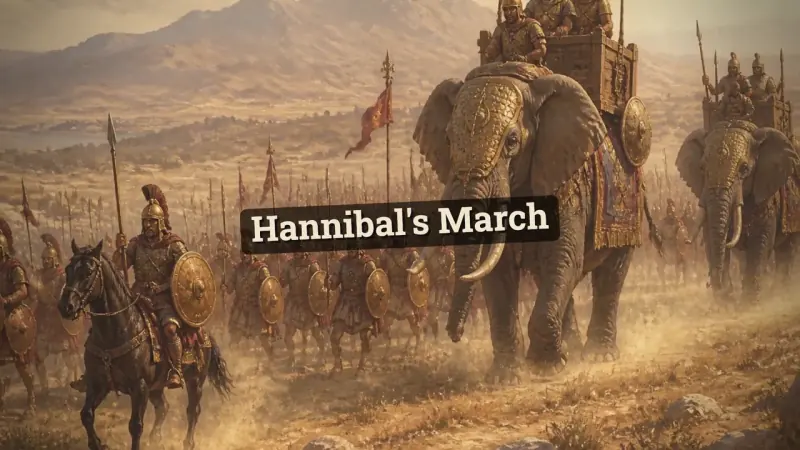
First videos: "Hannibal's March Over the Alps", "Why the Bronze Age Collapsed", "The Fall of Constantinople, 1453".
Why it works without a face: Nobody expects a presenter standing in front of an event from 1,000 years ago. Maps and illustrations do the explaining.
Templates: Lost Empires and Newsreel.
4. True crime and unsolved mysteries
One case per video, told in order, with dates, places and case details on screen.
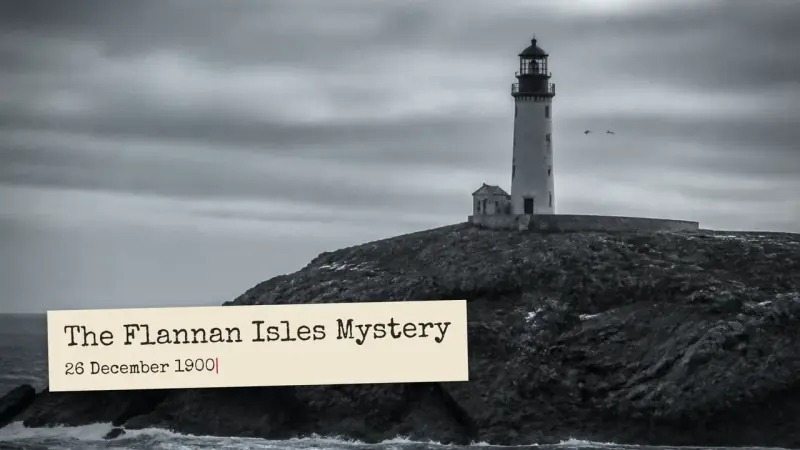
First videos: "The Flannan Isles Lighthouse Mystery", "The Dyatlov Pass Incident", "What Happened to the Roanoke Colony".
Why it works without a face: The case carries the video. A calm, careful narrator suits it, and the research is what sets one channel apart from the next.
Template: Cold Case.
5. Horror stories and folklore
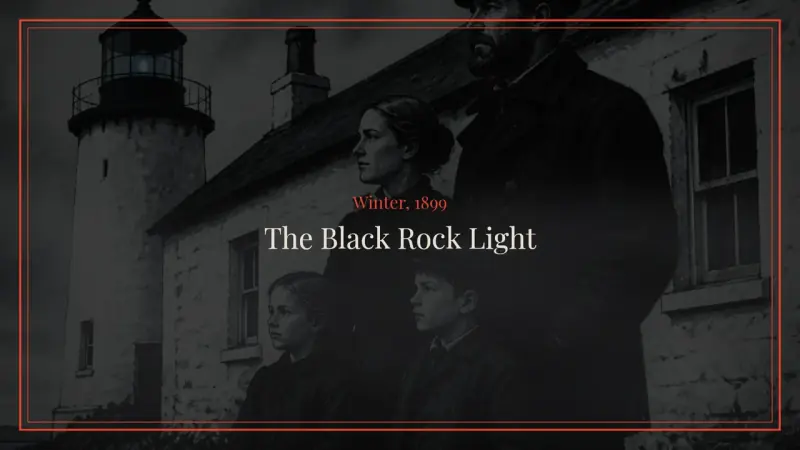
Narrated ghost stories, local legends and slow-burn horror, often from old sources in the public domain.
First videos: "The Black Dog of East Anglia", "Yokai of Rural Japan", "The Green Children of Woolpit".
Why it works without a face: Fear works through the voice and what the viewer imagines. Dark, sparse pictures leave room for both.
Templates: After Midnight and 2 a.m..
6. Mythology
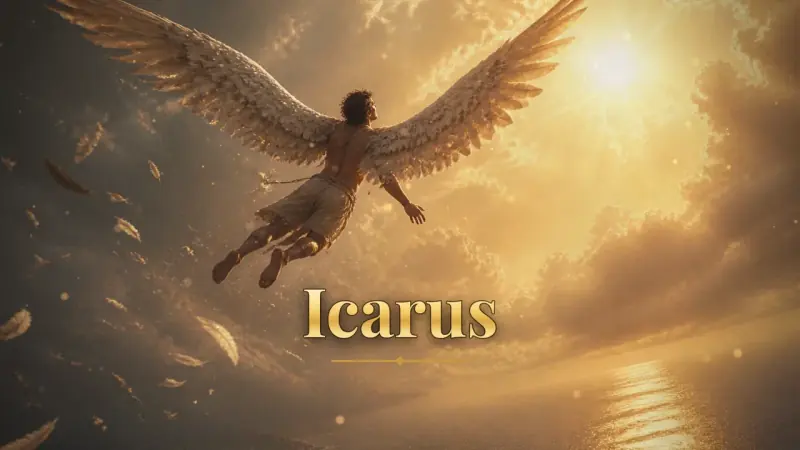
Greek, Norse, Egyptian and other myths retold, one story or one god per video.
First videos: "Why Loki Was Bound", "The Twelve Labours of Heracles", "Who Was Hecate?".
Why it works without a face: The myths themselves are public domain (modern translations may not be), and gods and monsters are easy to picture.
Template: Myth & Legend.
7. Bedtime stories and lessons for children
Fairy tales, gentle original stories and short science lessons, read in a warm voice with soft, colorful pictures.
First videos: "The Fox and the Moon", "How Bees Make Honey", "Why Do Leaves Change Color?".
Why it works without a face: Parents and teachers search by story or topic and come for the voice and pictures. Videos aimed at children have to be marked as made for kids.
Templates: Once Upon a Time and Little Explorers.
8. Space and astronomy
Planets, missions, black holes and the scale of the universe, explained step by step.
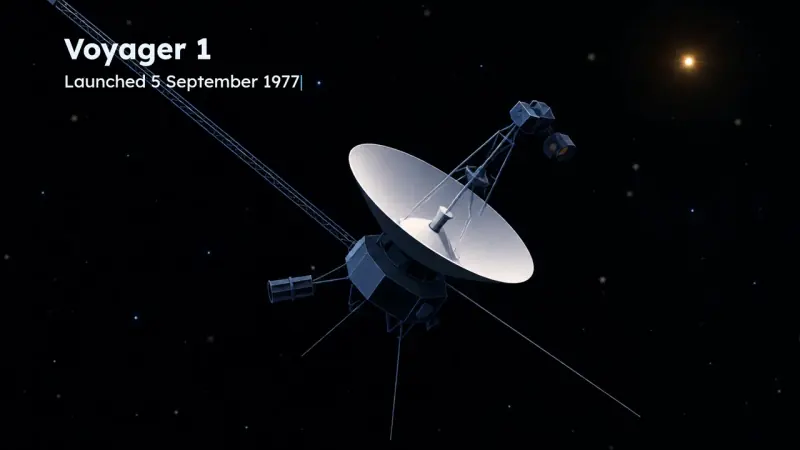
First videos: "How Far Has Voyager 1 Gone?", "What You'd See Falling Into a Black Hole", "A Tour of Jupiter's Moons".
Why it works without a face: Black holes, the early universe and distant planets can't be filmed, so illustration is the usual way to show them, alongside public-domain NASA imagery.
Template: Deep Space.
9. Nature and animals
One animal, habitat or migration per video, in the style of a field guide or nature documentary.
First videos: "The Arctic Tern's Pole-to-Pole Migration", "How Octopuses Change Color", "A Year at a Beaver Pond".
Why it works without a face: The animals are the subject. Without access to wildlife footage, illustrated scenes look less generic than the stock clips other channels use.
Template: Field Notes.
10. How things work
Explainers on everyday things, money, engineering and how things are made.
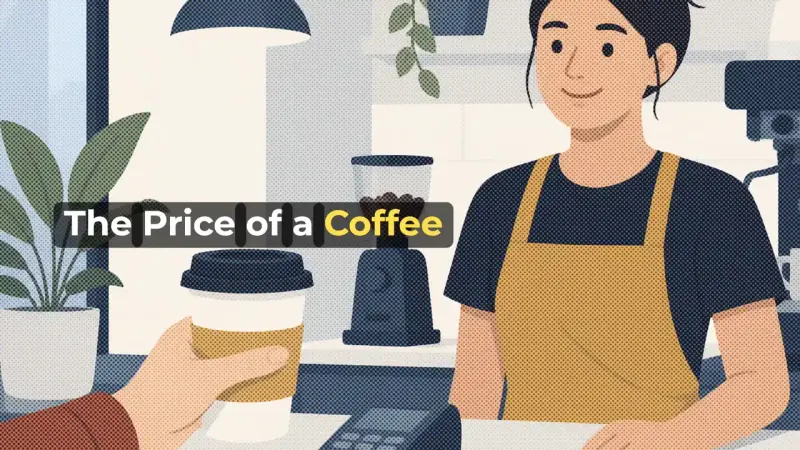
First videos: "Where the Price of a Coffee Goes", "How a Container Ship Is Loaded", "How the Eiffel Tower Was Built".
Why it works without a face: Diagrams and a clear script teach this better than a talking head, and every everyday object is a possible video.
Templates: Bright Idea, Blueprint and Cutaway.
11. Philosophy and big questions
Thought experiments, famous arguments and ideas from philosophers, one question per video.
First videos: "The Ship of Theseus", "Is Free Will an Illusion?", "Plato's Cave, Explained".
Why it works without a face: The ideas are abstract, so pictures that make them concrete help more than a face would.
Template: Big Questions.
12. Biographies
One life per video, from childhood to legacy, with dates and places on screen.
First videos: "Ada Lovelace and the Analytical Engine", "The Life of Genghis Khan", "Who Was Nikola Tesla?".
Why it works without a face: Most subjects lived before video or were rarely filmed, so portraits, places and documents carry the story.
Templates: Lost Empires and Newsreel.
13. Book summaries and big ideas
The main ideas of a nonfiction book, in your own words, with your view of what holds up.
First videos: "Meditations by Marcus Aurelius in 15 Minutes", "What The Wealth of Nations Actually Says", "Five Ideas from Walden".
Why it works without a face: Viewers come for the ideas, so a narrator is all it needs. Summarize in your own words and add your take, since reading out a book's text isn't yours to publish.
Template: Bright Idea.
14. Fables and short stories
Fables, folk tales and original short fiction, often in a distinctive look like anime or stop motion.
First videos: "The Tortoise and the Hare", "The Crow and the Pitcher", "The Paper Boat".
Why it works without a face: A strong visual style becomes the channel's identity, and short stories cut down well into Shorts.
Templates: Painted Skies, Tabletop Tales and Story Shorts.
15. Fact and history Shorts
One surprising fact or one historical moment per vertical video, with big captions.
First videos: "Why Sealed Honey Lasts for Centuries", "Pompeii's Last Day in 60 Seconds", "Why Flamingos Are Pink".
Why it works without a face: A good fact and a big caption carry a Short without a host, and each Short can link to a related long video on your channel.
Templates: Fast Facts and History Minute.
Niches that are harder without a face
Some popular niches rely on a person on camera, and a faceless version struggles to compete:
- Vlogs, reactions and commentary, where the personality is the content.
- Beauty, fitness and cooking, where viewers want to see hands and results.
- Product reviews, where trust comes from seeing someone use the thing.
Gaming and screen-recorded tutorials work without a face too, but they need footage from the game or the software rather than generated pictures.
Faceless channels in other languages
Every niche above works in other languages, and in many of them the search results outside English are thinner and older. Only publish in a language you read well enough to check the script. Animatic narrates in 15 languages, including Spanish, Portuguese, Hindi and Arabic, and transcribes uploaded recordings in others. Narration in scripts such as Hindi or Arabic costs more credits than English.
Making the first videos
Once you've picked a niche, how to make faceless YouTube videos with AI goes through script, narration, visuals, editing and upload. For videos of 20 minutes or more, see how to make a long-form AI video, and for the sleep niches, how to make sleep story videos. The faceless YouTube video generator page covers what Animatic does for faceless channels, and every template is on the templates page.
Questions
What is the easiest faceless YouTube niche to start?
One you already know and read about. Story-based niches such as mythology, folklore and history are also easier to picture with AI than technical ones, because almost every line suggests a scene.
Can one faceless channel cover several niches?
It can, but it often grows slower. Viewers subscribe for one kind of video, so a second niche usually does better as a second channel.